

Our Services
Contact Us
Please feel free to contact us.
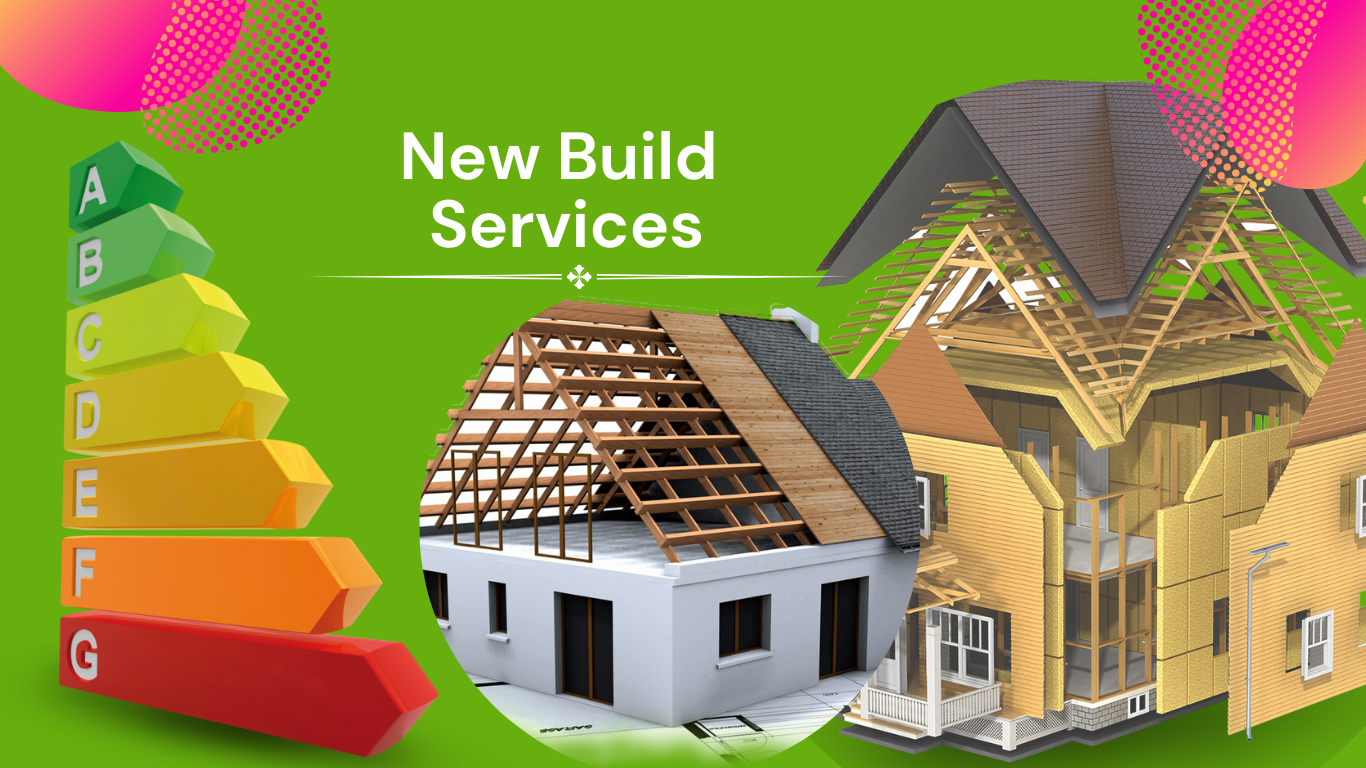
New Build Services
For newly constructed properties, obtaining an EPC is a crucial part of the completion process. We work with developers and builders to deliver accurate EPC assessments for new builds, ensuring they meet government energy performance standards. Our assessors use the latest methodologies to rate energy efficiency, helping you meet legal obligations and achieve compliance seamlessly.
The Standard Assessment Procedure (SAP) is a methodology used in Energy Performance Certificates (EPC) to evaluate a property’s energy efficiency. It assesses factors like insulation, heating, ventilation, and renewable energy sources, generating a rating from 1 to 100+ (with higher scores indicating better efficiency). SAP assessments help identify areas for improvement, estimate energy costs, and provide recommendations to increase efficiency, reduce carbon emissions, and enhance the property’s environmental impact rating and market appeal.
A New Build Energy Performance Certificate (EPC) assesses the energy efficiency and environmental impact of newly constructed properties. Required before the sale or rental of new homes, this EPC includes a Standard Assessment Procedure (SAP) rating that evaluates insulation, heating systems, ventilation, and renewable energy features. It provides a rating from A to G, improvement suggestions, and helps ensure the property meets building regulations for energy efficiency, supporting lower energy bills and reduced carbon emissions.
Air Tightness Testing, also known as Air Permeability Testing, is a key part of an EPC assessment for new builds and renovations. It measures how well a building prevents air leakage, impacting energy efficiency and thermal comfort. The test identifies gaps in insulation or construction where heat might escape, helping to improve SAP ratings, reduce energy bills, and ensure compliance with building regulations. Better airtightness contributes to lower carbon emissions and a more sustainable property.
Sound Testing, often required for EPC compliance in new builds and converted properties, measures sound insulation between adjoining spaces to ensure they meet building regulation standards. This testing evaluates airborne and impact sound levels, typically in shared walls and floors, to ensure adequate noise reduction for occupant comfort. Effective sound insulation enhances property value, supports privacy, and aligns with regulatory requirements for energy and acoustic performance, making the property more appealing and compliant with modern building standards.
SAP Assessment
New Build EPC
Air Tightness Testing
Air Tightness Testing in EPC: Enhancing Energy Efficiency, Reducing Heat Loss, and Ensuring Regulatory Compliance in New Builds and Renovations
Sound Testing
Sound Testing in EPC: Ensuring Acoustic Compliance, Privacy, and Comfort in New Builds and Conversions for Enhanced Living Standards and Regulatory Adherence